



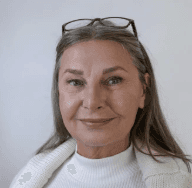






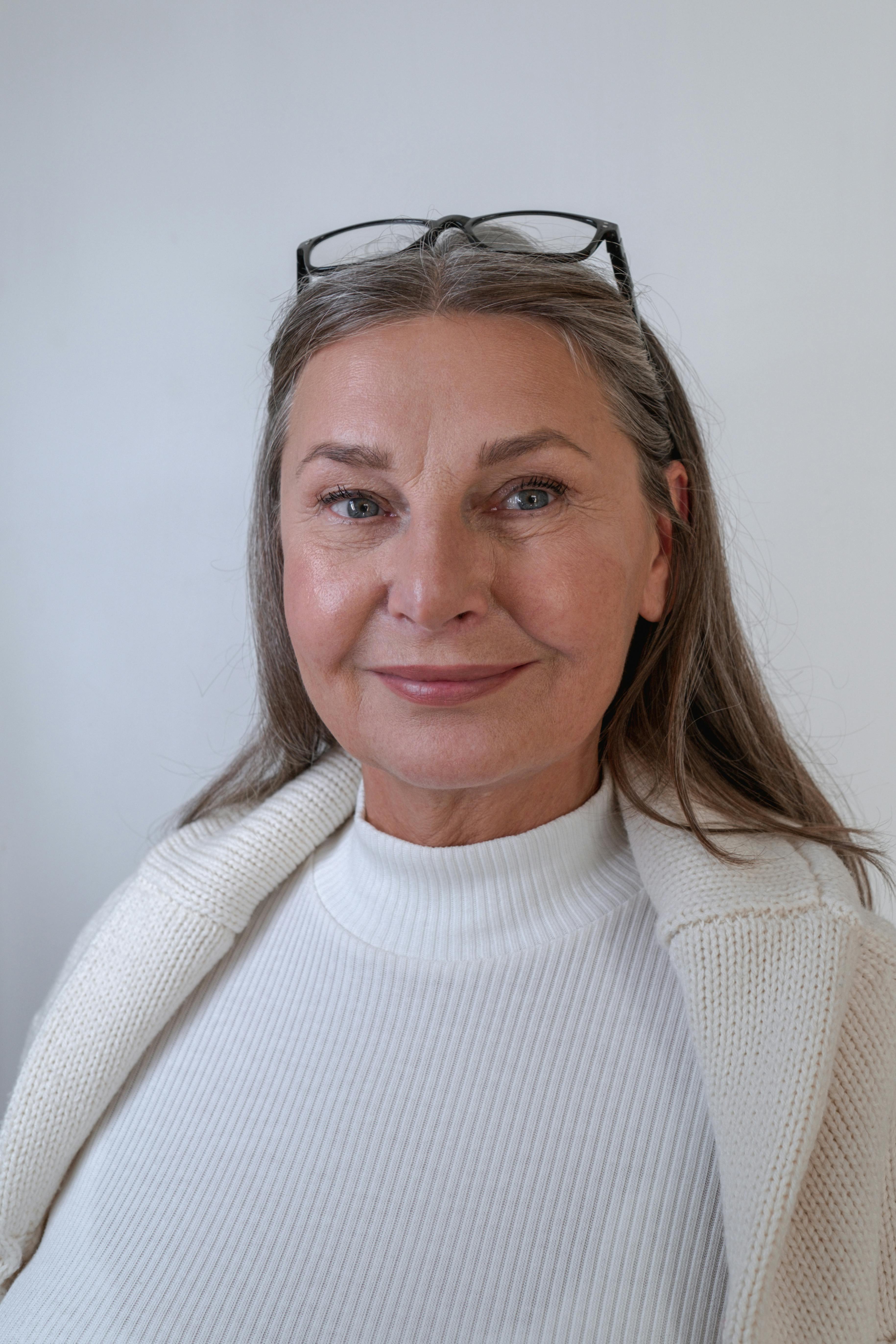
Erica
Chronic Fatigue
Dr. Karolina Skrzypek, MD · Double board-certified · Maitland, FL
From our Maitland office, serving Orlando and Central Florida, we help women find the root cause of hormone imbalances, bloating that won’t quit, weight that won’t move.
These aren’t separate problems. They’re one picture, and it’s solvable.

Symptoms
SOLUTIONS FOR:
SOLUTIONS FOR:
As a functional medicine practice in Orlando, we help women find
the root cause behind symptoms their labs keep calling 'normal.'
As a functional medicine practice in Orlando, we help women find the root cause behind symptoms their labs keep calling 'normal.'
Hormones, gut, and metabolism aren’t separate problems. They’re one interconnected system, and standard care treats them in different rooms, which is why your real picture never gets seen. No one has looked at the full picture yet.
Our patients sleep through the night, fit their clothes again, get their energy back, and stop guessing why their body stopped cooperating. Most feel real changes within eight to twelve weeks.
Conditions We Test For
Gut, hormones, and metabolism are connected. We test all three because treating one without the others is why your symptoms keep coming back.
Gut, hormones, and metabolism are connected. We test all three because treating one without the others is why your symptoms keep coming back.
Symptoms
Perimenopause · cycles changing · mood swings · low libido · anxiety · wired-but-tired · sleep disruptions · weight shifts
Perimenopause · cycles changing · mood swings · low libido · anxiety · wired-but-tired · sleep disruptions · weight shifts
40+ biomarkers
DUTCH Hormone Panel · Estradiol · Progesterone · Testosterone · DHEA-S · Cortisol curve · Melatonin
DUTCH Hormone Panel · Estradiol · Progesterone · Testosterone · DHEA-S · Cortisol curve · Melatonin
Symptoms
Symptoms
Stubborn weight · afternoon crashes · brain fog · blood sugar swings · inflammation · cardiometabolic risk
Stubborn weight · afternoon crashes · brain fog · blood sugar swings · inflammation · cardiometabolic risk
18+ biomarkers
18+ biomarkers
Full thyroid (T3, T4, rT3, TSH) · Insulin · HbA1c · ApoB · Lp(a) · hs-CRP · Omega-3 Index
Full thyroid (T3, T4, rT3, TSH) · Insulin · HbA1c · ApoB · Lp(a) · hs-CRP · Omega-3 Index
Symptoms
Bloating · IBS · SIBO · food sensitivities · reflux · skin flares · cyclical GI symptoms
Bloating · IBS · SIBO · food sensitivities · reflux · skin flares · cyclical GI symptoms
50+ biomarkers
50+ biomarkers
GI-MAP · H. pylori · Calprotectin · Zonulin · Secretory IgA · β-glucuronidase
GI-MAP · H. pylori · Calprotectin · Zonulin · Secretory IgA · β-glucuronidase
Meet our founder
Dr. Karolina Skrzypek MD is a double board-certified physician in internal medicine and integrative medicine, with advanced training from the Andrew Weil Center for Integrative Medicine and the Institute for Functional Medicine.
Testimonials
Erica
Chronic Fatigue

Ashlee
Thyroid, Autoimmune

Mary
Hypothyroidism
Erica
Chronic Fatigue
Every traditional doctor I saw wanted to prescribe something to make the symptoms go away, but no one would take my concerns about hormones seriously. The results have been remarkable.
Ashlee
Graves Disease, Autoimmune
I told Dr. Skrzypek I'd be happy to live to 80. She looked at me and said, 'I'm going to try and help you live to 100.' By March, two of the three markers are moving in the right direction.
Mary
Hypothyroidism
Dr. Skrzypek looks at you as a whole person and finds the root cause. If I had found her sooner, I wouldn't be 55 having gone through an autoimmune condition and having my thyroid removed.
Erica
Chronic Fatigue
Every traditional doctor I saw wanted to prescribe something to make the symptoms go away, but no one would take my concerns about hormones seriously. The results have been remarkable.
Ashlee
Graves Disease, Autoimmune
I told Dr. Skrzypek I'd be happy to live to 80. She looked at me and said, 'I'm going to try and help you live to 100.' By March, two of the three markers are moving in the right direction.
Mary
Hypothyroidism
Dr. Skrzypek looks at you as a whole person and finds the root cause. If I had found her sooner, I wouldn't be 55 having gone through an autoimmune condition and having my thyroid removed.
How it works
How it works

Naturamed Program


Naturamed Program
Our Feel Better Faster program is the opposite - one structured approach with comprehensive testing, a root-cause plan built by Dr. Skrzypek, and six months of guided care to get you back to yourself.
Our Feel Better Faster program is the opposite - one structured approach with comprehensive testing, a root-cause plan built by Dr. Skrzypek, and six months of guided care to get you back to yourself.
clients that have been told their results were "normal"
weeks average time to first noticeable improvement
report meaningful, lasting improvement within 6 months
clients that have been told their results were "normal"
weeks average time to first noticeable improvement
report meaningful, lasting improvement within 6 months
clients that have been told their results were "normal"
weeks average time to first noticeable improvement
report meaningful, lasting improvement within 6 months
Conventional Medicine
15-Minute Appointments
Rushed visits where your symptoms get reduced to a single solution without taking the time to actually listen to the complexity of your problem.
Basic Lab Panels
Standard bloodwork that tests a fraction of what matters, then tells you everything looks 'normal.'
Symptom Management
An approach that quiets what you're feeling without asking why you're feeling it.
With NaturaMed
Detailed Initial Assessment
Your first visit is 75 minutes. We listen to your history, your symptoms, and what other doctors missed.
Advanced Specialty Testing
Your physician chooses the specific panel for your case: DUTCH, GI-MAP, full thyroid, or advanced metabolic testing.
Root-Cause Protocols
A personalized plan built from your lab data, targeting what's actually driving your symptoms, not covering them up.
WHAT MAKES US DIFFERENT
Dr. Karolina, Founder of NaturaMed
If this story resonates with you, maybe it's time to start your own. Root-cause care takes time, but real change happens one clear step at a time.
We've helped over 500 clients



+75

Read Our Google Reviews
Prefer to chat first? Send us an email or connect with us on social — we’re always happy to help.
Not sure what to expect? These answers should help.
Didn't find your answer? Send us a message and we'll get back to you personally.
How is NaturaMed different from my regular doctor?
Most doctors have 15 minutes and a standard panel. We have 75-minute visits, 300+ biomarkers, and a protocol built specifically for your biology, not a symptom checklist. We look for the root cause of why you feel the way you do, not just what to prescribe next.
Do you offer telemedicine? What states do you serve?
Yes. We offer telemedicine appointments for patients in Florida, Michigan, and Texas. All visits are conducted virtually, so you can access the same level of care from anywhere in those states.
What conditions do you treat?
We specialize in hormone imbalance, thyroid dysfunction, chronic fatigue, gut health, perimenopause, weight loss resistance, and metabolic issues. If you've been told your labs are normal but still feel terrible, that's exactly who we're here for.
How does the process work?
It starts with a 75-minute Initial Visit with Dr. Skrzypek: your health history, symptoms, and what you've already tried. From there, she orders the testing that fits your picture, whether that's DUTCH, GI-MAP, a full thyroid panel, or advanced metabolic work. If you enroll in the 6-Month Program, she reviews every result with you in detail and builds your personalized root-cause plan.
How long does it take to see results?
Most clients notice meaningful shifts in energy, sleep, and mood within eight to twelve weeks. Root-cause correction is a process: full resolution of deeper issues like gut dysfunction or hormone imbalance typically takes longer, over the course of the 6-month program.
Is NaturaMed covered by insurance?
NaturaMed does not accept insurance. Some services may qualify for health spending accounts such as an HSA or FSA. The cost of any recommended testing is reviewed with you before it is ordered.
Can I still work with my current doctor?
Absolutely. We work alongside your existing care team. We don't ask you to stop any current medications and will never make changes to your treatment without a clear, discussed plan. Think of us as an extension of your care, not a replacement.
If this story resonates with you, maybe it's time to start your own. Root-cause care takes time, but real change happens one clear step at a time.
We've helped over 500 clients
+75
Read Our Google Reviews
Prefer to chat first? Send us an email or connect with us on social — we’re always happy to help.
Not sure what to expect? These answers should help.
Didn't find your answer? Send us a message and we'll get back to you personally.
How is NaturaMed different from my regular doctor?
Most doctors have 15 minutes and a standard panel. We have 75-minute visits, 300+ biomarkers, and a protocol built specifically for your biology, not a symptom checklist. We look for the root cause of why you feel the way you do, not just what to prescribe next.
Do you offer telemedicine? What states do you serve?
Yes. We offer telemedicine appointments for patients in Florida, Michigan, and Texas. All visits are conducted virtually, so you can access the same level of care from anywhere in those states.
What conditions do you treat?
We specialize in hormone imbalance, thyroid dysfunction, chronic fatigue, gut health, perimenopause, weight loss resistance, and metabolic issues. If you've been told your labs are normal but still feel terrible, that's exactly who we're here for.
How does the process work?
It starts with a 75-minute Initial Visit with Dr. Skrzypek: your health history, symptoms, and what you've already tried. From there, she orders the testing that fits your picture, whether that's DUTCH, GI-MAP, a full thyroid panel, or advanced metabolic work. If you enroll in the 6-Month Program, she reviews every result with you in detail and builds your personalized root-cause plan.
How long does it take to see results?
Most clients notice meaningful shifts in energy, sleep, and mood within eight to twelve weeks. Root-cause correction is a process: full resolution of deeper issues like gut dysfunction or hormone imbalance typically takes longer, over the course of the 6-month program.
Is NaturaMed covered by insurance?
NaturaMed does not accept insurance. Some services may qualify for health spending accounts such as an HSA or FSA. The cost of any recommended testing is reviewed with you before it is ordered.
Can I still work with my current doctor?
Absolutely. We work alongside your existing care team. We don't ask you to stop any current medications and will never make changes to your treatment without a clear, discussed plan. Think of us as an extension of your care, not a replacement.
If this story resonates with you, maybe it's time to start your own. Root-cause care takes time, but real change happens one clear step at a time.
We've helped over 500 clients
+75
Read Our Google Reviews
Prefer to chat first? Send us an email or connect with us on social — we’re always happy to help.
Not sure what to expect? These answers should help.
Didn't find your answer? Send us a message and we'll get back to you personally.
How is NaturaMed different from my regular doctor?
Most doctors have 15 minutes and a standard panel. We have 75-minute visits, 300+ biomarkers, and a protocol built specifically for your biology, not a symptom checklist. We look for the root cause of why you feel the way you do, not just what to prescribe next.
Do you offer telemedicine? What states do you serve?
Yes. We offer telemedicine appointments for patients in Florida, Michigan, and Texas. All visits are conducted virtually, so you can access the same level of care from anywhere in those states.
What conditions do you treat?
We specialize in hormone imbalance, thyroid dysfunction, chronic fatigue, gut health, perimenopause, weight loss resistance, and metabolic issues. If you've been told your labs are normal but still feel terrible, that's exactly who we're here for.
How does the process work?
It starts with a 75-minute Initial Visit with Dr. Skrzypek: your health history, symptoms, and what you've already tried. From there, she orders the testing that fits your picture, whether that's DUTCH, GI-MAP, a full thyroid panel, or advanced metabolic work. If you enroll in the 6-Month Program, she reviews every result with you in detail and builds your personalized root-cause plan.
How long does it take to see results?
Most clients notice meaningful shifts in energy, sleep, and mood within eight to twelve weeks. Root-cause correction is a process: full resolution of deeper issues like gut dysfunction or hormone imbalance typically takes longer, over the course of the 6-month program.
Is NaturaMed covered by insurance?
NaturaMed does not accept insurance. Some services may qualify for health spending accounts such as an HSA or FSA. The cost of any recommended testing is reviewed with you before it is ordered.
Can I still work with my current doctor?
Absolutely. We work alongside your existing care team. We don't ask you to stop any current medications and will never make changes to your treatment without a clear, discussed plan. Think of us as an extension of your care, not a replacement.